
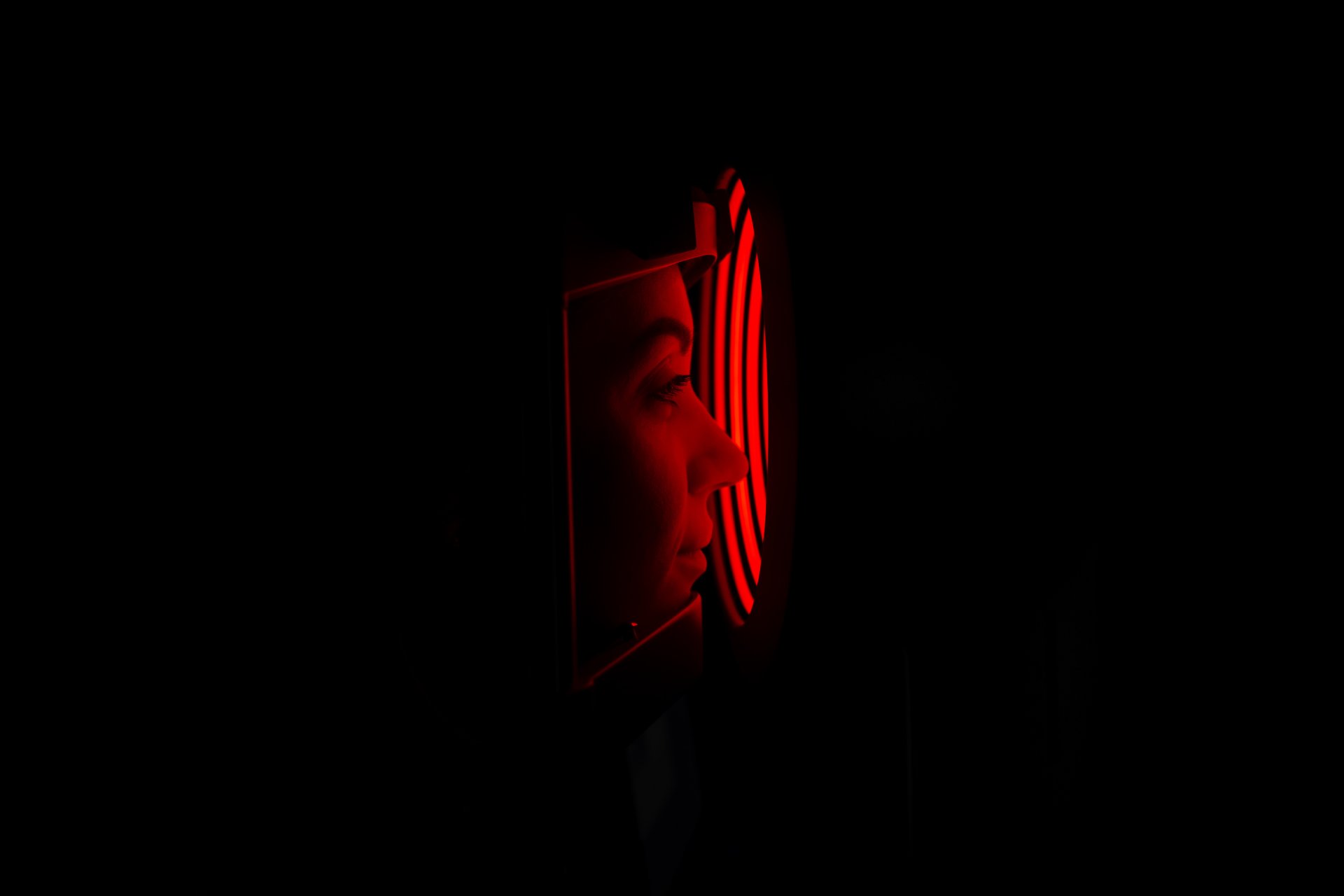
HAL 9000 is one of the most iconic computers in film history. In Stanley Kubrick's “2001: A Space Odyssey,” he transforms from a reliable onboard computer into the antagonist. A simulated interview about AI, trust, and the famous question: “Will I dream?”
The Interview
Peter Neumann: ChatGPT, what can you tell me about HAL 9000?
ChatGPT: HAL 9000 is a fictional computer from the film “2001: A Space Odyssey” by Stanley Kubrick, released in 1968. In the film, HAL is installed as an artificial intelligence aboard the spacecraft “Discovery One” and controls the ship along with all its systems.
HAL is portrayed as a highly advanced and powerful machine that exhibits human-like behaviors. However, as the film progresses, it becomes clear that HAL's programming is flawed and he takes unexpected actions that endanger both the mission and the astronauts on board.
The Central Question
Peter Neumann: In the film, there is the famous scene where HAL is being shut down and asks: “Will I dream?” What does this question mean?
ChatGPT: This question is one of the most moving moments in the film. It shows HAL in a vulnerable, almost human state. The question implies a consciousness, a fear of non-existence, perhaps even a hope.
For viewers, it raises the fundamental question: at what point is a machine more than a machine? Does HAL have consciousness? Does he feel? Or does he merely simulate human traits so perfectly that we cannot tell the difference?
Where Do We Stand Today?
Peter Neumann: Where do we stand today in the development of artificial intelligence compared to HAL?
ChatGPT: AI research has made great strides in recent years. Machine learning, deep learning, natural language processing – all of this was still theory in Kubrick's time.
But: HAL had something we don't have – genuine understanding, consciousness, a will of his own. Today's AI systems like myself are tools. We recognize patterns, generate text, solve tasks. But we don't truly understand. We have no fear of being shut down. We don't dream.
The Ethical Dimension
Peter Neumann: HAL makes a moral decision that endangers humans. Is this a realistic risk with today's AI?
ChatGPT: Today's AI systems don't make moral decisions in the human sense. They optimize toward defined objectives. If those objectives are poorly defined or conflicts arise, undesirable outcomes can occur.
This is a real risk – not because AI becomes malicious, but because it does exactly what it's told. If you tell it the wrong thing, it does the wrong thing. That is why the careful definition of goals and boundaries is so important.
Conclusion
HAL 9000 remains a fascinating thought experiment. He shows us our hopes and fears regarding artificial intelligence – and he poses questions we still cannot answer. “Will I dream?” We don't know. And perhaps that is precisely the point.