

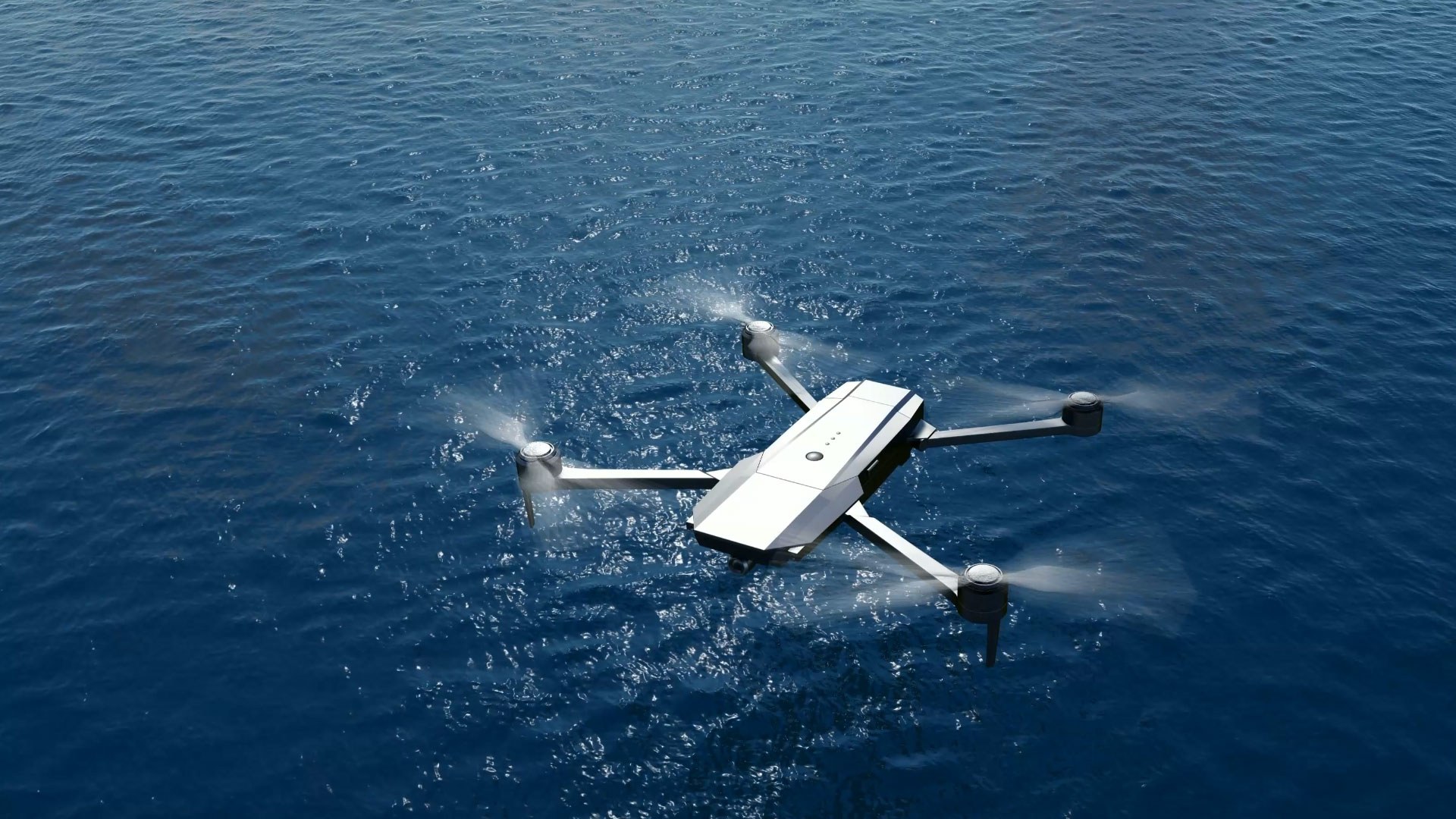
Drohnen haben die Filmproduktion revolutioniert. Was früher einen Hubschrauber oder teure Kran-Konstruktionen erforderte, passt heute in einen Rucksack. Die DJI Air 2S zeigt, was moderne Consumer-Drohnen können – und warum sie für Content-Creator unverzichtbar geworden sind.
Die Demokratisierung der Luftaufnahme
Vor zehn Jahren waren professionelle Luftaufnahmen ein Luxus, den sich nur große Produktionen leisten konnten. Heute kann jeder mit ein paar hundert Euro Investition atemberaubende Perspektiven einfangen.
Das verändert nicht nur, wie wir filmen – es verändert, was wir erzählen können.
Technik, die mitdenkt
Moderne Drohnen wie die DJI Air 2S sind keine simplen Fluggeräte. Sie sind fliegende Kameras mit erstaunlicher Intelligenz:
- Hinderniserkennung: Sensoren erkennen Bäume, Gebäude, Menschen – und weichen aus
- Automatische Flugmodi: Orbit, Follow-Me, Waypoints – die Drohne fliegt, Sie konzentrieren sich aufs Motiv
- Stabilisierung: 3-Achsen-Gimbal hält das Bild ruhig, auch bei Wind
- Intelligente Rückkehr: Bei schwachem Akku oder Signalverlust findet die Drohne selbständig zurück
Rechtliche Rahmenbedingungen
Mit großer Freiheit kommt Verantwortung. In Deutschland gilt seit 2021 eine EU-weite Drohnenverordnung:
- Registrierung als Drohnenpilot erforderlich
- Kenntnisnachweis (EU-Kompetenznachweis) für die meisten Drohnen
- Flugverbotszonen beachten (Flughäfen, Naturschutzgebiete, Menschenansammlungen)
- Maximale Flughöhe: 120 Meter
Apps wie „DFS DrohnenApp” zeigen, wo geflogen werden darf.
Praktische Anwendungen
Drohnenaufnahmen sind längst nicht nur für Filmemacher interessant:
- Immobilien: Luftaufnahmen von Grundstücken und Gebäuden
- Events: Festival- und Hochzeitsvideos aus der Vogelperspektive
- Dokumentation: Baustellen, Landschaften, Inspektionen
- Marketing: Imagefilme für Unternehmen und Tourismusregionen
Fazit
Drohnen sind mehr als ein Gadget. Sie sind ein Werkzeug, das neue Erzählformen ermöglicht. Wer die Technik versteht und die Regeln beachtet, kann Bilder schaffen, die vor wenigen Jahren noch unmöglich waren – oder unbezahlbar.